Locked In Until May: What Actually Happens to Your Antepost Bet Between August and the Final Whistle

Photo: All-Pro Reels, CC BY-SA 2.0, via Wikimedia Commons
There's a particular type of punter who loves an antepost bet. You'll know the type. Sat in the beer garden in mid-August, pint in hand, absolutely convinced that Nottingham Forest are going to finish top four at 16/1. 'That's a great price,' he says. 'It'll be 6/1 by Christmas.'
And here's the thing — he might even be right about the price. What he's almost certainly wrong about is whether that matters.
We spent last season tracking five typical antepost bets from the first weekend of the Premier League campaign to the last, checking prices weekly and keeping a note of every move. The results make for slightly uncomfortable reading if you're the sort who likes to get your bets on early.
The Five Bets We Followed
To keep it fair, we picked the bread-and-butter antepost markets most UK punters dabble in:
- Title winner — a mid-table side at a big price, the classic 'they'll surprise a few' shout
- Top four finish — a club just outside the established order, backed each way
- Relegation — a newly promoted side the market fancied to struggle
- Top scorer — a striker who'd just moved clubs, backed at 25/1
- A season-long special — in our case, 'club to win a major trophy', because someone always fancies one
We put a hypothetical tenner on each in August and simply watched. No cashing out, no hedging. Exactly how most people treat antepost bets, whether they mean to or not.
The August Illusion
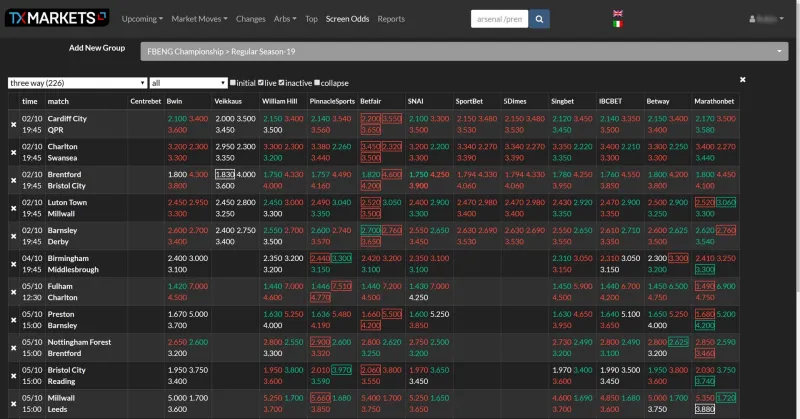
The first thing worth saying is that antepost prices genuinely are longer in August than they'll ever be again. That's not a myth. Our title outsiders drifted at 66/1 in week one and were down to 20/1 by mid-October after a decent run. The top-four price halved inside two months.
So yes — if your read is right, the early price was 'value'. But value you can't access is a funny kind of value. Your tenner is locked away. No returns until May, no matter how clever you looked in September. Meanwhile the bookie has your stake, interest-free, for the best part of nine months.
Think about what that means in practice. If you'd stuck that £50 across five antepost bets in August, that's fifty quid you couldn't touch through autumn, Christmas, January sales and the bleak stretch of February. Any weekend acca you fancied, any free bet offer you wanted to maximise — you're doing it with what's left over.
When the Prices Actually Move
The weekly tracking threw up some patterns worth knowing:
The first international break is where early-season flukes get priced in. A newly promoted side winning two of three? Their relegation price won't just shorten — it'll collapse. Bookies are terrified of being caught on promoted sides early because the sample size is tiny but the narrative is enormous.
The January transfer window is the second big shift. Our top scorer punt was 25/1 in August, drifted to 40/1 by December when the goals dried up, then snapped back to 14/1 in a fortnight after a January move to a better side. If you fancied him, mid-January was the time — not August, when you were guessing about where he'd even be playing.
The run-in is where the trap fully springs. By March, the market knows everything. There's no information edge left. Backing a title winner at 1/4 in April isn't betting; it's lending money to the bookie at terrible rates and hoping.
Who Actually Pocketed What
Of our five bets, one landed — the relegation shout came in with a game to spare, paying £110 on our £10. Two went nowhere. One was a near miss in the top-four race that would've paid the each-way place. The special never looked likely after October.
Net result: £60 back from £50 staked. A fiver's profit for nine months of having our money tied up, during which we passed up countless weekend opportunities.
For comparison, Tom's weekly tenner acca habit — the one he writes about elsewhere on this site — turned over the same money dozens of times across the season. Same bankroll, vastly more chances, and crucially, the freedom to stop when things weren't working.
If You're Going to Do It Anyway
We're not here to tell you antepost betting is never worth it. Some people genuinely enjoy having a horse in the race all season — there's something to be said for caring about a Sunday afternoon at Brentford in November because you've got a tenner on them sneaking into Europe.
If that's you, a few things we learned the hard way:
- Only stake what you'd happily lose to entertainment. Treat it like a season ticket, not an investment.
- Check the each-way terms. Top-four and top-six markets vary wildly between bookies on places paid — it's the difference between a decent each-way punt and a donation.
- Beware of 'dead heat' and settlement small print on specials. Some of those novelty markets have settlement terms that would make a dodgy landlord blush.
- Consider waiting. The gap between the August price and the November price is where the bookie makes most of his margin on antepost. Let someone else be the early bird occasionally.
The beer garden philosopher with his 16/1 Forest shout? Forest didn't make the top four. His tenner's been sat in the bookie's till since August, earning them interest and him nothing but a season of optimistic checking.
There are worse ways to spend a tenner. Just know what you're really buying — and it isn't value. It's hope, on a nine-month payment plan.