Before the Circus Rolls Into Ally Pally: A Sensible Darts Antepost Guide for November
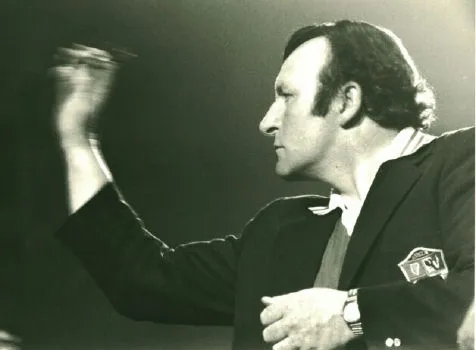
Photo: Jammywammy, Public domain, via Wikimedia Commons
The PDC World Championship doesn't start until the middle of December, but by the second week of November the antepost market is already doing heavy lifting on the bookmaker promo feeds. Qualifiers are being confirmed, the tour season is nearly done, and every UK bookie with a darts trader has posted an outright list with 40-odd names, a handful of specials and a few boosts on the favourites.
Here's the awkward truth about the November darts market: it isn't really about darts yet. It's about marketing. Which means the edge, if there is one, belongs to whoever reads the terms while everyone else is watching another 180 compilation.
Why the market opens so early
Bookies like their liability spread thin and early. Opening an outright six weeks out gets money in before the Christmas crowd arrives, and antepost money is lovely from their side of the counter: it sits in the ledger for a month and a half, the stakes are usually capped, and cash-out margins are generous.
For the punter, the trade-off is simple. You get a bigger price than you'll get on the night, but you accept worse terms and far less flexibility. That's a fair trade if you're disciplined about it, and a terrible one if you're treating it like a weekend acca.
Head of the market is a marketing exercise
The top three or four names will be priced somewhere between 2/1 and 5/1 and will hoover up the vast majority of stakes. There's nothing wrong with backing a favourite, but be clear about what you're paying for. A short-priced favourite in a 96-player knockout has to survive five or six matches, several of them over short formats, where one bad leg or a 12-dart burst from an unseeded qualifier can end your week.
Historically, the interesting band sits further down — the 20/1 to 50/1 range, where you find tour card holders who win matches for a living but whose form is judged on floor events nobody watches. That's where the pricing models are least confident and where the bookies leave the most room.
Each-way terms do the heavy lifting
Each-way on an outright is two bets, and it means places. Standard is often a quarter of the odds for three places, though some firms go each-way a fifth for four. On a 33/1 shot, a quarter the odds for three places pays 8.25/1 if your man reaches the semi-final. That's not a rounding error — it's the difference between a speculative punt and a reasonable one.
Check whether the place terms are locked at the price you took. They should be, but this market gets repriced weekly between now and the first arrows, and terms can shift with it.
The draw lands late, and it matters
The bracket is usually confirmed towards the end of November, and it can make or break a price you took two weeks earlier. A player quoted at 25/1 who lands in the same quarter as two of the top four is a worse bet than the same player at 20/1 in a soft section. If you're backing early, back small, or wait for the draw and accept the shorter number.
180s and specials: fun, thin, and priced with a fat margin
Tournament 180 markets are modelled on expected legs per match. In the early rounds the format is short, so variance is enormous — one player on a hot streak in a 3-0 win can skew the entire board. Same story for highest checkout and nine-dart finish markets.
If you like a special, back it small and early, because prices collapse once the tournament starts and the bookies see where the money is. But don't mistake shortened for value.
Boosts on the favourites: a £10 compliment
A boost from 11/4 to 3/1 is roughly a 5% improvement. Multiply that by a typical £10 maximum stake and you've won yourself something in the region of 50p in expected value, assuming the starting price was fair. Add the qualifying conditions and you're looking at a marketing budget, not a strategy.
A boost is worth taking when the stake cap is meaningful, when the boosted price is genuinely the best in the market, and when it applies to a bet you already wanted to place. In that order. Not the other way round.
Cash-out is not a safety net
Antepost cash-out exists, and it is priced with a margin that widens the closer the tournament gets. If your pick drifts, the cash-out offer sags well before the true probability does. Plenty of punters also don't realise that on some promotions, using a boost or a free bet removes the cash-out option altogether.
A November checklist
- Compare the outright price across at least four UK bookies before placing anything.
- Check each-way place terms and whether they're locked in.
- If you're taking a boost, note the maximum stake and the qualifying conditions in the same breath.
- Don't back two players in the same quarter of the draw.
- Leave the specials until you've had a proper look at the formats.
Ally Pally is the best fortnight and a half in the sporting calendar. Just make sure your bet gets the same care you'd give to choosing your spot on the sofa.