Copying the Exchange and Hoping for the Best: How Bookies Really Price the WSL

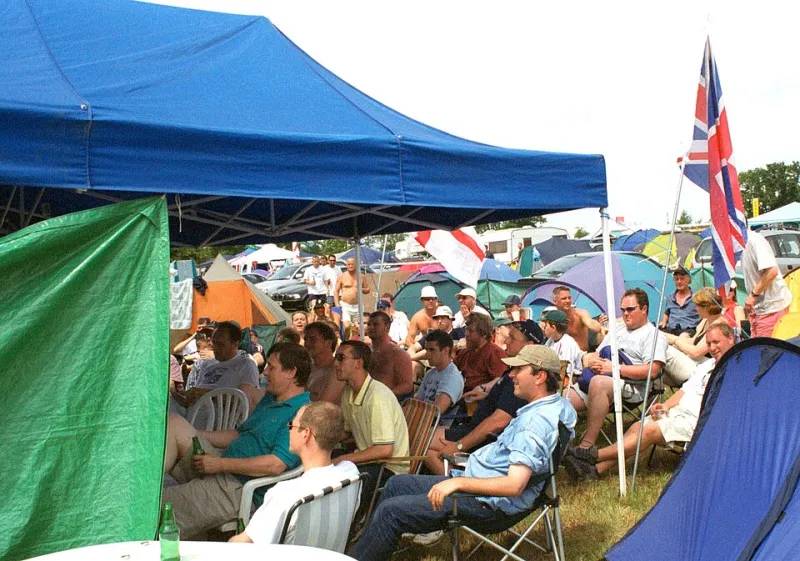
Photo: sidafdooa, CC0, via Wikimedia Commons
There's a running joke among punters who follow the Women's Super League: the bookies know the score, but they don't know the teams. After six weeks of logging WSL prices across the major UK books — and a natter with a women's football analyst who tracks this stuff for a living — we'd say the joke has legs.
The Copy-Paste Market
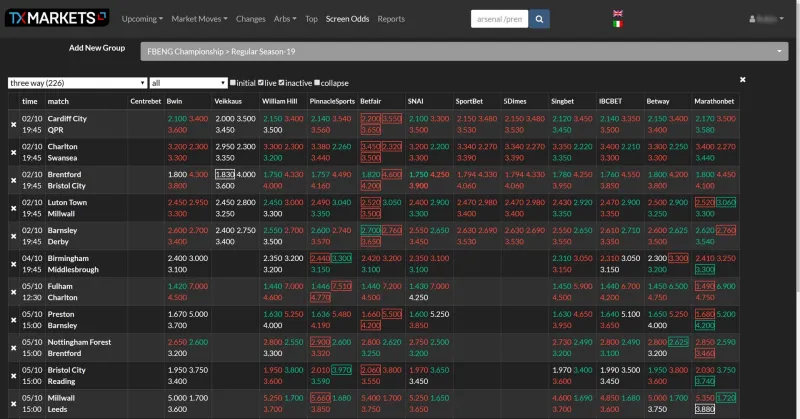
Here's how it works in practice. Open three or four apps on a Sunday afternoon and check the WSL prices. Then check the exchange. More often than not, you'll find the same numbers staring back at you, give or take a tick. A former odds trader we know (the same one from our 8am price piece, actually) put it bluntly: "On smaller football markets, half the books are just shadowing Betfair and slapping a margin on top. Nobody's trading the WSL by hand at 11pm on a Sunday."
That's not a dig at the bookies' competence — it's simple economics. A big Premier League match might take six figures in liabilities. A WSL fixture might take a few hundred quid. Why pay a trader to analyse Chelsea Women when the exchange has already done the work?
Where the Edges Appear
The problem with copying an exchange price is that the exchange price only reflects money that's been matched. And in the WSL, there simply isn't much of it. Which means:
- Team news moves slower. When a key striker is ruled out on the morning of a match, the men's market reprices in minutes. The WSL market often doesn't budge until kick-off.
- Smaller clubs are priced on reputation. Our analyst — who asked us just to call her Sam — tracks underlying numbers for every WSL side. "The gap between fourth and ninth is much tighter than the odds suggest," she told us. "Bookies price on name recognition. Liverpool Women aren't as bad as their odds sometimes say, and Brighton aren't as good."
- Goals markets are lazy. Over/under lines in the WSL are frequently set a goal too low for the top sides' home fixtures, partly because historical data from the league's scrappier years is still dragging the averages down.
The Catch: Limits and Margins
Before you go shoving your whole bankroll on Bristol City, some reality. Maximum stakes on WSL markets are low — often £50 to a few hundred pounds before the bookie flags your bet for review. Margins are fatter too: we routinely saw 8–10% built into match odds versus 4–5% on the men's Premier League.
So the value is real, but it's rationed. Think of it as a nice little top-up to a Saturday acca rather than a gold mine. Speaking of which — a WSL banker at shorter odds can be a genuinely useful leg if you're building a weekend multi, precisely because the market is less efficient than the men's game where every half-decent punter has already squeezed the juice out.
Who's Taking the WSL Seriously?
From our six-week log, a rough league table of effort:
Putting the work in: A couple of the bigger books now offer player props and in-play markets on WSL fixtures, and their prices occasionally diverge from the exchange — a sign someone's actually forming an opinion.
Middle of the road: Solid match odds and a goals market, but nothing beyond that, and prices that track the exchange like a shadow.
Not bothering: One or two books whose WSL markets sit unrefreshed for hours. One price stayed frozen through a team-sheet bombshell that moved the exchange by 20 ticks. We got the old price on. It won. We won't name names, but we'll be back.
The Bottom Line
The WSL's popularity is booming — record attendances, proper TV coverage, and a growing following among British punters. The pricing hasn't caught up. Until it does, the sharpest value in British football might just be sitting in the half of the game the odds compilers aren't watching.
Do your homework, keep stakes sensible, and remember the golden rule: if a price looks too good, there's probably a withdrawal limit hiding behind it. As always — bet with your head, not over it. GambleAware, 18+.