Seven Grounds, One Saturday, Fifty Quid: Our Non-League Betting Pilgrimage From Step 1 to Step 7

Photo: Anonymous photographer, Public domain, via Wikimedia Commons
Some blokes do their Saturday with a sky sports subscription and a Deliveroo. We decided to do ours properly: one day, seven grounds, seven levels of the football pyramid, and a bet placed at every single one of them.
The plan was simple on paper and stupid in practice. Start at Step 1 with a National League kick-off at midday, work our way down the pyramid as the afternoon rolled on, and finish at Step 7 — which, in reality, means a muddy pitch behind a social club where the 'bookmaker' is a fella named Dave holding a clipboard and taking £2 stakes in a Tupperware box.
The budget was fifty quid. The deadline was dark. The acca was going to be beautiful or it was going to be carnage. Spoiler: it was carnage.
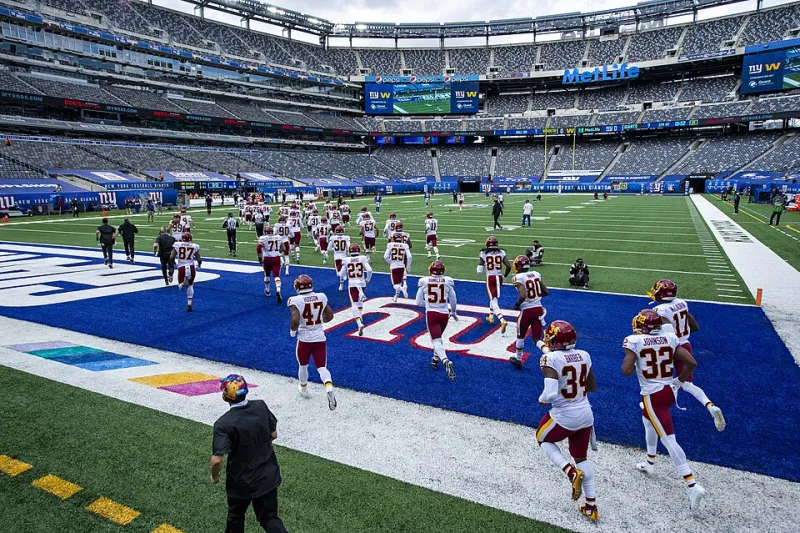
Stop One: Step 1, Kick-Off at Midday
National League football is genuinely brilliant and criminally under-bet. We rocked up at 11:30 with a bacon roll and put a tenner on the home side at 11/10 — odds that were available on the app, which surprised us, because we assumed anything below the EFL was a pricing dark zone. It isn't. Most major UK bookies now price National League match results, and the markets go deeper than you'd think: both teams to score, over/under goals, even first scorer on some fixtures.
The ground had proper atmosphere. Standing terraces, a loud bloke behind the goal who clearly knew every player's nan, and a programme for three quid. Compare that to a Premier League acca you follow from the sofa while your phone buzzes with cash-out prompts. No contest, honestly.
Home won 2-1. Tenner in. Nerves settled. On we went.
Stop Two and Three: The Step 2 and Step 3 Sweet Spot
Steps 2 and 3 — National League North/South and the National League Premier divisions below — are where the betting gets interesting, because the odds get sloppy. A former odds trader once told us over a pint that bookies essentially copy the exchange and tweak it for lower leagues, and you can smell it in the prices at this level. Lines move late, margins are chunkier, and if you actually watch Step 2 football you'll spot value the market misses — home sides at big prices on terrible pitches, for instance.
We lumped a fiver on a Step 2 home win at 13/8 that genuinely looked overpriced given the away side had shipped four the previous week. Then a fiver on a Step 3 both-teams-to-score, because Step 3 defending is a beautiful, lawless thing.
The Step 2 bet lost to an 88th-minute screamer. The BTTS landed comfortably. Two down, five to go, and we were £2.50 to the good.
Stop Four: Step 4, Where the Markets Thin Out
By Step 4 your app options narrow considerably. Match result and over/unders are usually there; anything fancier — corners, cards, player props — vanishes like a Sunday roast at half four. This is actually the sweet spot for a certain type of punter: less market noise, more pure football. We slapped a couple of quid on the draw at 12/5, because Step 4 draws are as reliable as British rain.
It finished 1-1. We're not saying we're geniuses. We're saying we've watched a lot of Step 4 football and know how it goes.
Stop Five: Step 5, and the First Genuinely Weird Odds
Here's where it got interesting. Step 5 football — your Northern Premier, your Isthmian, your Southern League — is barely priced by the big books. Some fixtures appear, many don't, and when they do the prices look like they were set by someone glancing at the league table five minutes before kick-off.
We found one Step 5 match priced on a major app and took the home side at 6/4, purely on the grounds that we'd watched them warm up and their number nine looked an absolute unit. That is a real betting strategy and we will not be apologising for it.
The number nine scored twice. Somewhere, an odds compiler felt a disturbance.
Stop Six: Step 6, Betting From the Touchline
No app coverage here at all. The only way to have a bet at Step 6 on a random Saturday is the old-school way: a local bookie's shop slip, taken in a high street shop a ten-minute walk from the ground, written up on a paper slip and trusted to the gods. We wrote out the fixture in block capitals, stuck a quid on the home win at 5/4 (the shop's own price, scribbled on a whiteboard), and jogged back for the second half.
They lost 3-0. The whiteboard price was, in hindsight, generous. The shop took our quid with a knowing nod. Some economies never change.
Stop Seven: Step 7, Dave and the Tupperware
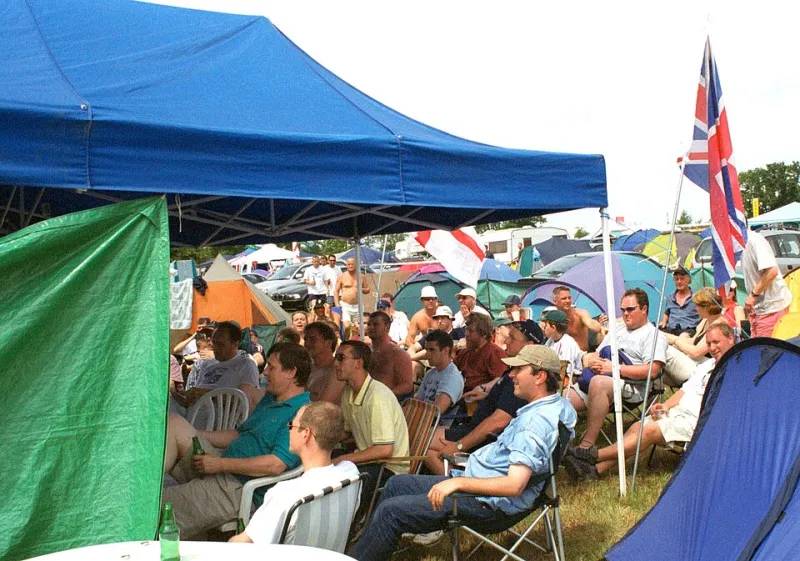
Step 7 is not technically a betting environment. It is a pitch behind a social club where the 'bookmaker' — and we use the term with enormous affection — is a club volunteer taking £1 and £2 stakes on the final score for a club fundraiser. We put two quid on 2-1, got a handwritten ticket, and watched ninety minutes of football that featured a bicycle kick, a keeper playing in a bobble hat, and a goal celebration that ended in a bin.
It finished 2-1. The ticket paid a fiver. Dave shook our hand like we'd won the pools.
So Did the Acca Come In?
Let's do the maths. Seven bets, £30 staked across the day, four winners, one draw bet landed, two lost. Total returns: £41ish. Total profit: roughly a tenner, which covered the chips at ground five and the program at ground one. As an acca, it failed — we never rolled it up, and a true seven-fold would've been obliterated at Step 6. As a day out, it was the best betting experience we've had all year.
The Verdict for Punters
If you're bored of the same Premier League acca every Saturday, take it down the pyramid. Steps 1 through 4 are genuinely bettable on the apps, often with softer prices than the top flight. Step 5 is where the value (and the chaos) lives. Below that, you're in paper-slip and Tupperware territory — and honestly, that's half the fun.
Just pack a flask. Non-league tea is £1 and it's mostly hot water, but after six grounds, it's the best thing you'll drink all week.